
New instruments.
Purposeful control.
Neurosurgical access, image-guided positioning, and instrument development sit at the centre of our ROSA-focused work.
Explore ROSA in 3D ↗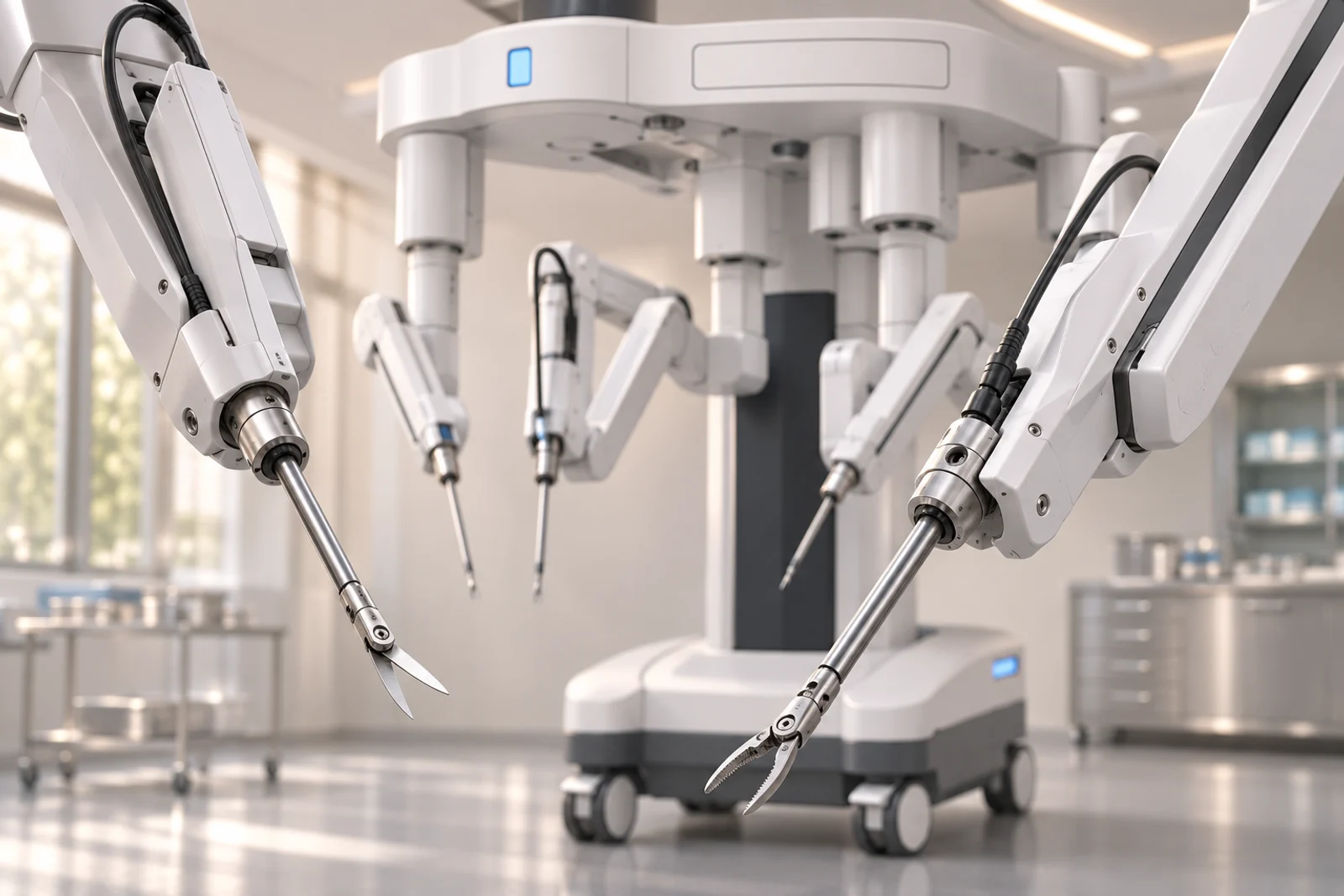
Better questions. Better possibilities for care.
Bringing AI, surgical robotics, and predictive medicine closer together
Our work connects AI, new ROSA instrumentation, and da Vinci research, advancing the intelligence behind autonomous surgery.
SURGICAL ROBOTICS | 3D RENDERING
AI & SURGICAL ROBOTICS
We’re working on new ROSA instrumentation and da Vinci research with a clear goal: connect surgical perception, planning, and robotic control to advance autonomous surgery.
Our focus is the intelligence behind the movement, and the instrument at the point of action.
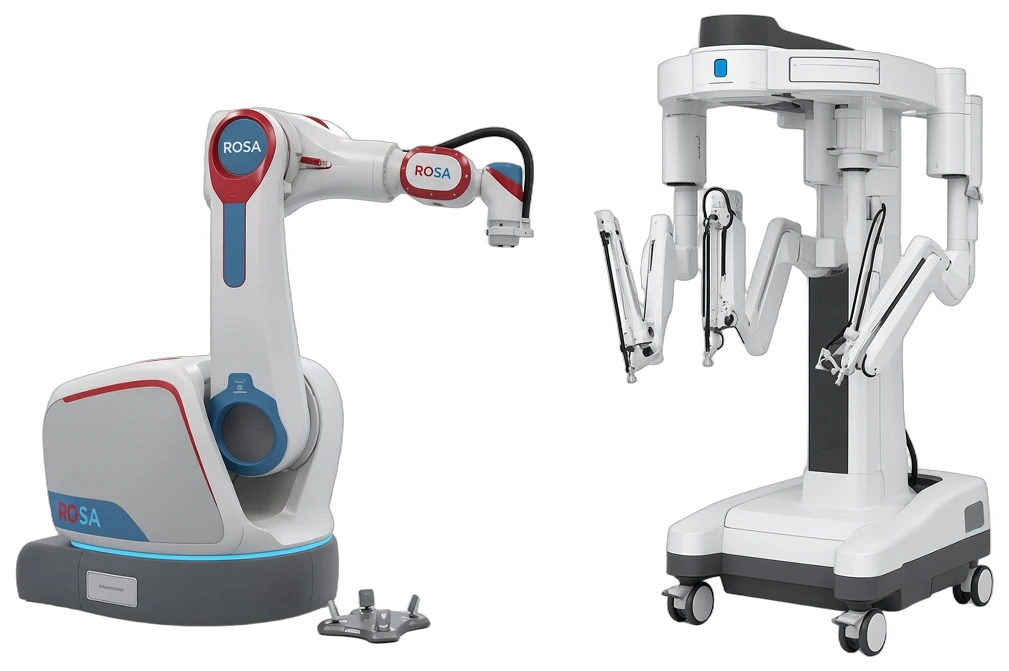
Neurosurgical access, image-guided positioning, and instrument development sit at the centre of our ROSA-focused work.
Explore ROSA in 3D ↗Our da Vinci research connects visual understanding, planning, and fine instrument motion across a coordinated robotic workspace.
Watch the device films ↗ENGINEERING IN MOTION
Three perspectives on surgical robotics.
Explore the Precision Arm, ROSA, and da Vinci.
Explore the ROSA arm, wrist, and stereotactic instrument guide.
Interactive 3D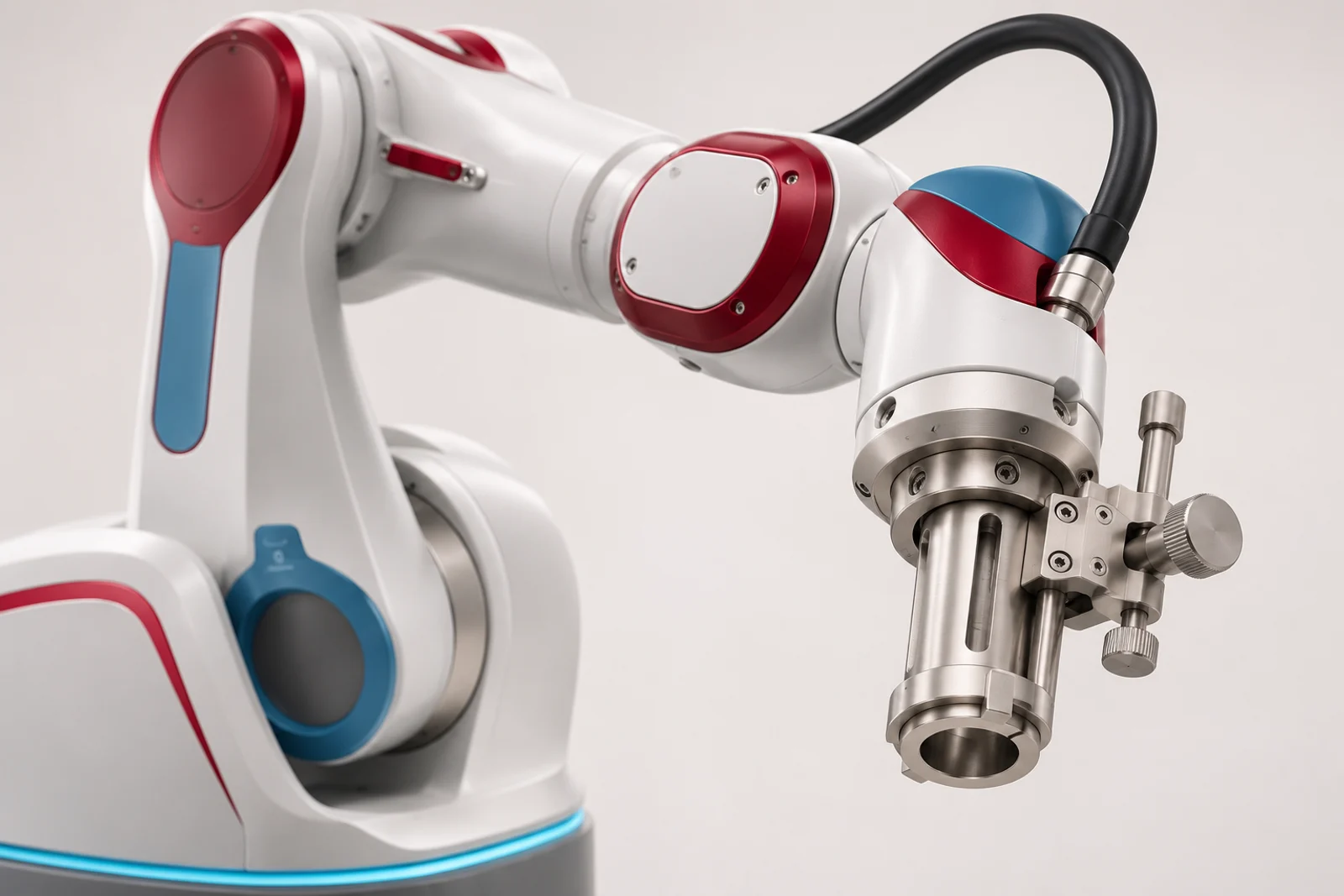
3D visualization
Explore the distinctive compact arm and articulated joints. Our work on new ROSA instrumentation connects this mechanical foundation with AI perception, planning, and control.
ROSA is a Zimmer Biomet platform. Platform details ↗
IN THE OPERATING ROOM
Device close-ups and surgical workflows,
from the original manufacturers.
Video by Zimmer BiometOFFICIAL DEVICE FILMS
Watch Zimmer Biomet’s abbreviated SEEG demonstration, with a closer view of the robotic arm and procedural workflow.
A CLOSER LOOK AT OUR WORLD
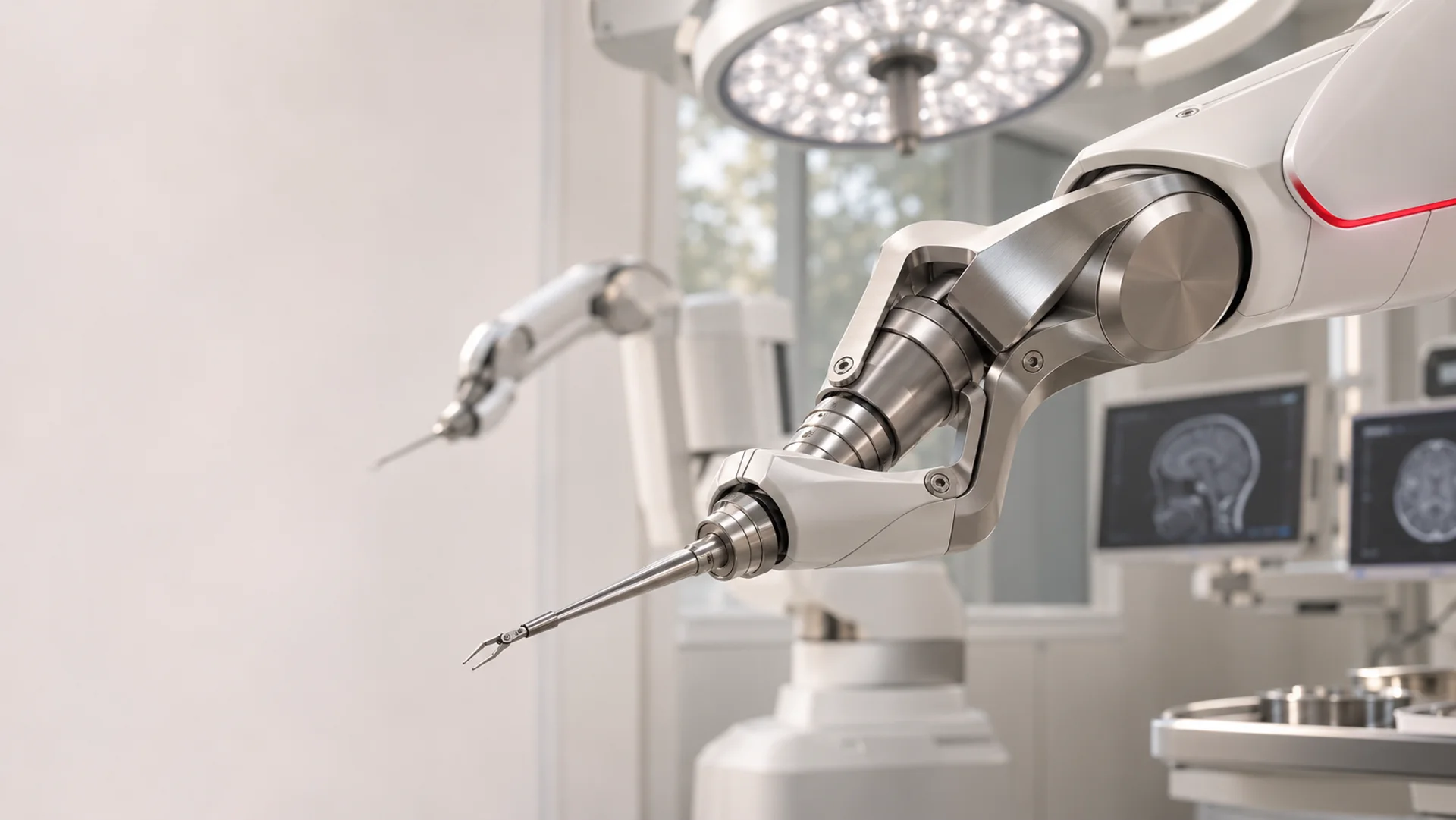
SURGICAL ROBOTICS
Complex surgery brings anatomy, precision, and judgement together. Our focus is the intelligence and instrumentation that connect them.
Explore surgical robotics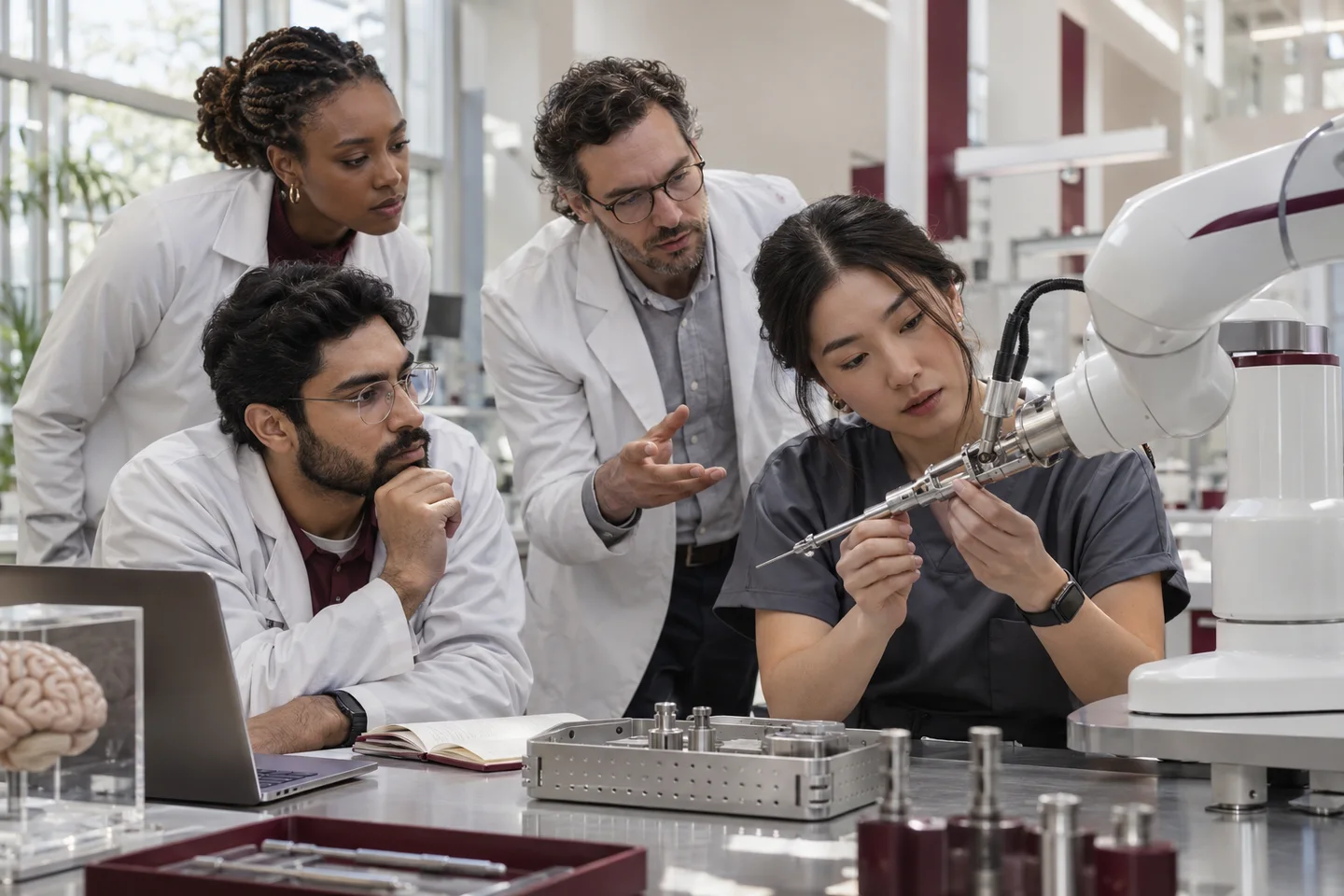
PEOPLE BEHIND THE PROGRESS
Clinicians see the challenge. Engineers ask how. Researchers look closer. We bring those perspectives together around the questions that deserve our full attention.
Let’s build something that mattersResearch and innovation
Our team brings together computer science, medical science, and precision engineering.
69M+
Healthcare data and predictive intelligence.
86K+
Focused work across medical AI, robotics, and predictive healthcare.
22
Combined team experience in AI, medical science, and engineering.
Innovation across medical technology and AI.
Work across medical AI and biomedical engineering.
Cardiovascular predictive analytics.
Our technology focus
Medical AI, robotics, and predictive analytics bring different capabilities to the challenges healthcare teams face.
 01
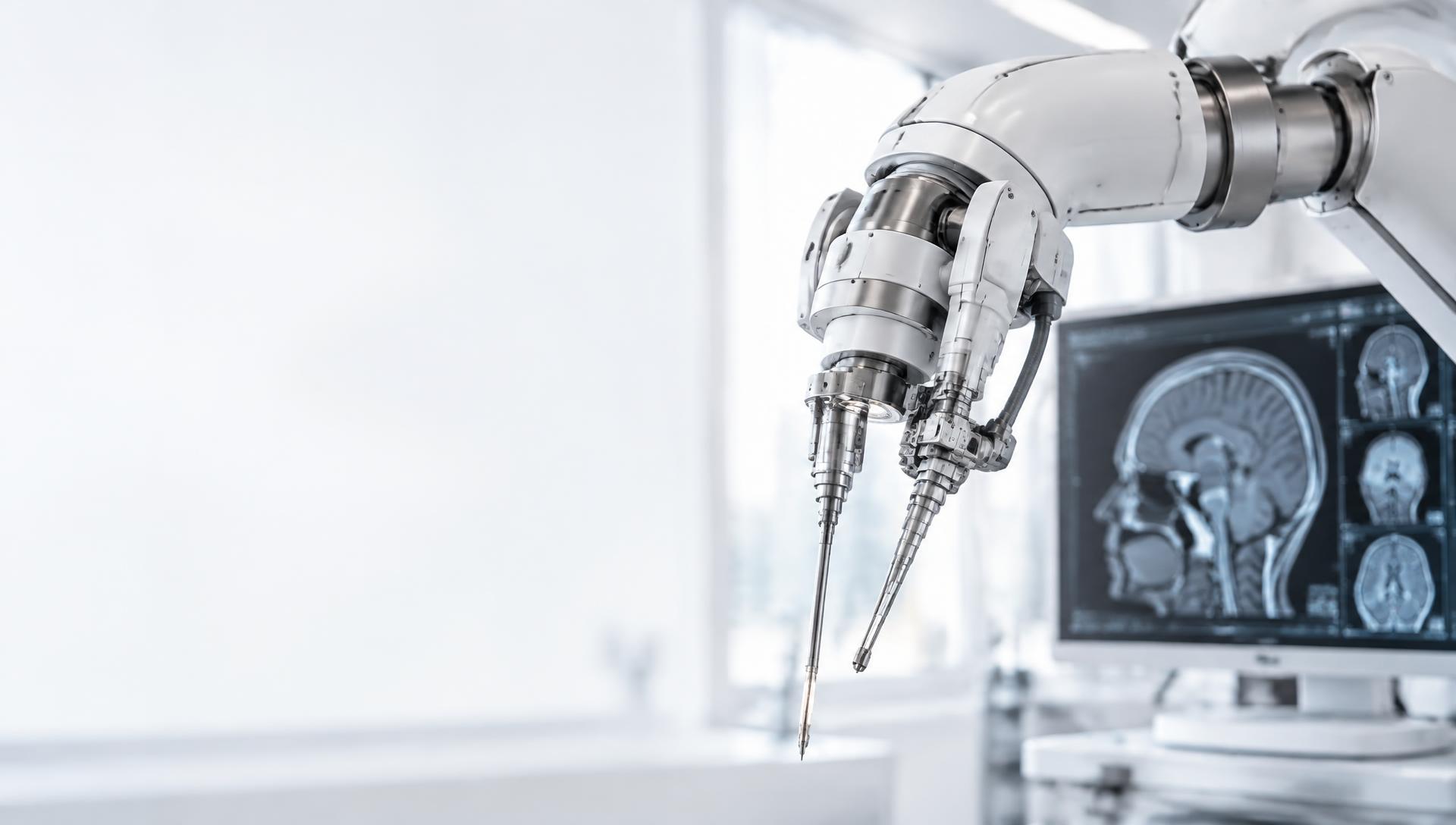
Medical AI, planning, and robotic control for the complex demands of brain and spinal surgery.
 02
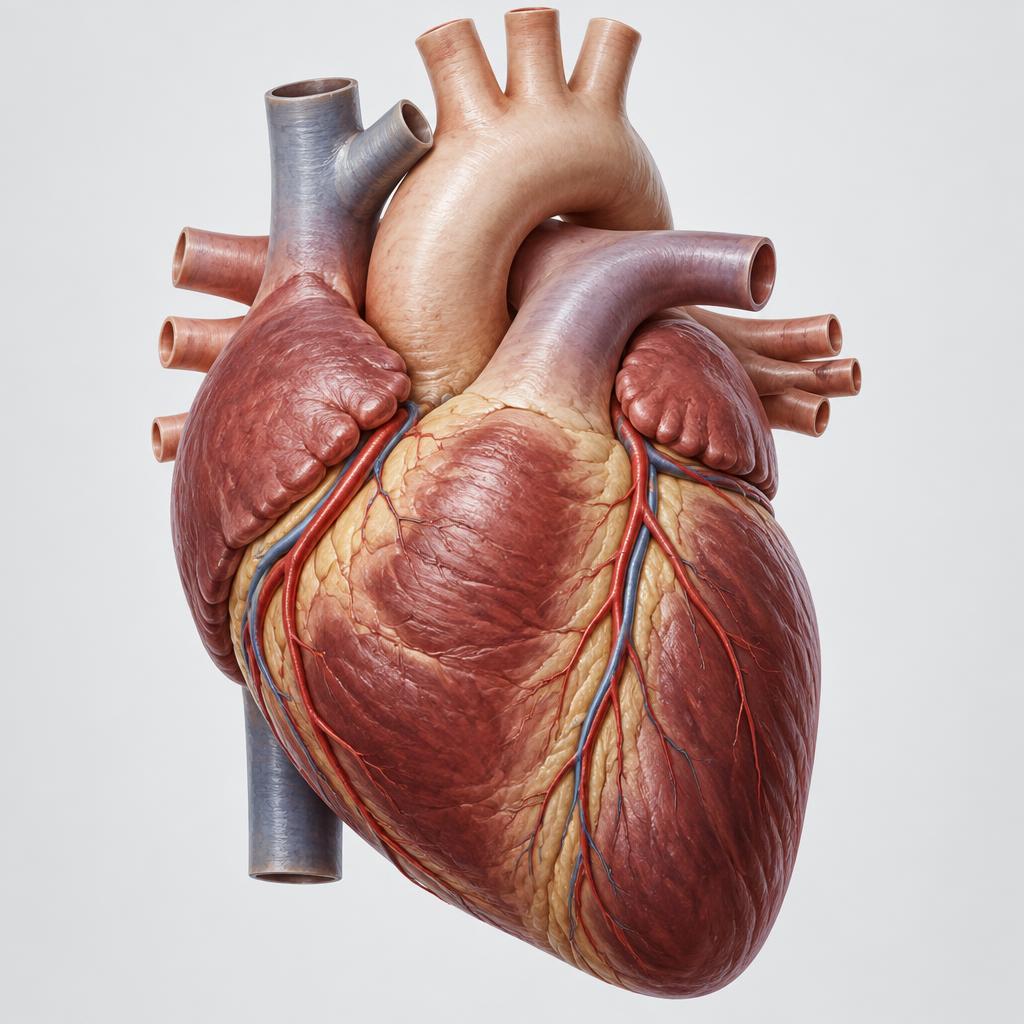
Health data and machine learning for cardiovascular risk assessment, earlier clinical review, and preventive care planning.
 03
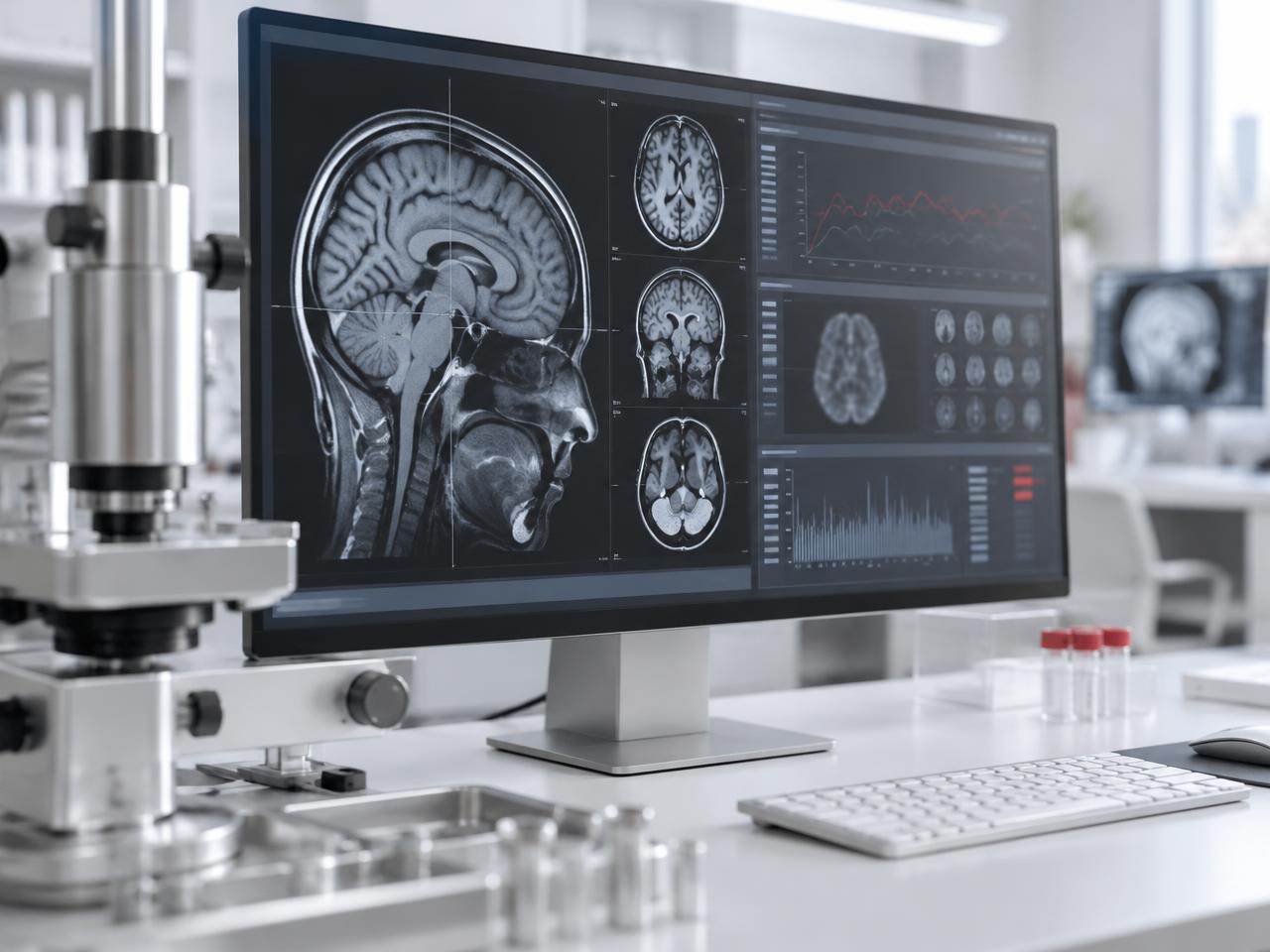
Clinical intelligence and connected information that support healthcare teams and their workflows.
Autonomous surgical robotics
Our autonomous neurosurgery programme connects artificial intelligence, medical computer vision, and robotic engineering around the complex anatomy of the brain and spinal canal.
Our work includes new ROSA instrumentation and da Vinci research, with a focus on the software and instrument interfaces that connect perception, planning, and precise movement.
Image interpretation brings lesion location, tissue relationships, and critical structures into view. Our work connects anatomical recognition, segmentation, and spatial information with surgical planning.
Planning brings access geometry, instrument reach, anatomical boundaries, and movement together. Calibration, localization, and sensor feedback connect the plan to the robotic system.
Operating boundaries, fault detection, continuous monitoring, and controlled stopping are considered throughout the system. Clinical and engineering expertise contribute to the design and evaluation process.
Brain and spinal canal tumour research
Our work focuses on complex tumours, including cases where access and proximity to critical structures create exceptional surgical difficulty.
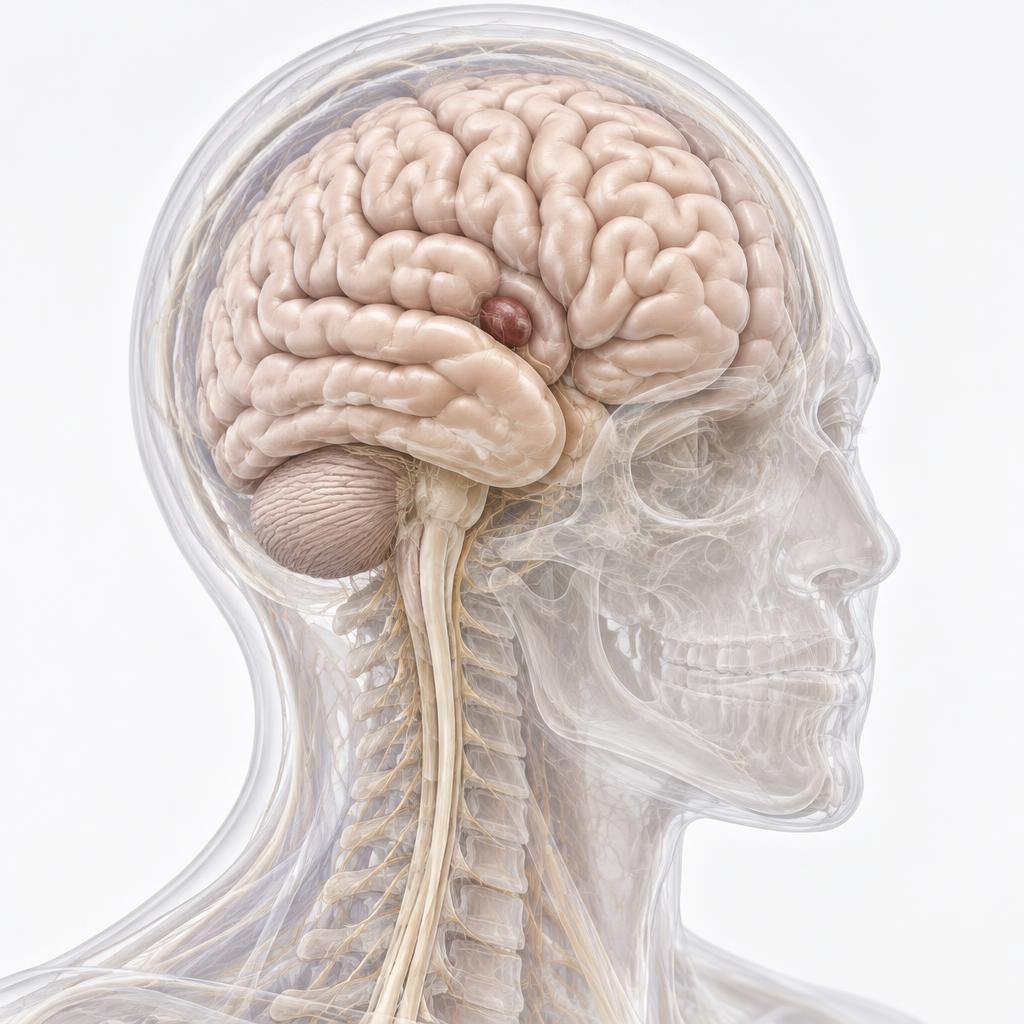
Anatomy shapes the problem. We bring medical imaging, AI, and precision engineering together to investigate new approaches for high-risk and currently inoperable cases.
01 / Brain tumours
Deep-seated lesions and limited access corridors place demanding requirements on anatomical interpretation and planning. Our work considers tissue relationships, access paths, and controlled instrument movement.
02 / Spinal canal tumours
The spinal cord, nerve roots, and surrounding structures create a tightly constrained working environment. We investigate image-guided navigation, instrumentation, and sensing around these requirements.
Navigation connects anatomical information with instrument position and planned movement. Spatial alignment, critical structures, and feedback are central to this work.
AI surgical intelligence
Medical imaging, anatomical interpretation, planning, and robotic control connected through sensing and safety monitoring.
Imaging provides information about anatomy, lesions, and surrounding structures. Image quality, spatial alignment, and the clinical question guide how that information enters the planning workflow.
Sensing and safety checks connect every stage of the workflow.
Predictive analytics
Our cardiovascular programme applies machine learning to health data for heart attack prediction, risk assessment, and preventive care planning.
Heart attack prediction accuracy Cardiovascular predictive analytics
We connect this analytical work with the information healthcare teams need for clinical review and care planning.
The prediction task guides the choice of information, outcome, and time horizon. Data preparation, model development, and interpretation are considered together.
Accuracy, sensitivity, specificity, calibration, and population provide different views of model performance. Our evaluation work considers these measures in relation to the clinical question and intended use.
We welcome cardiovascular specialists, health systems, and research teams interested in predictive medicine. Contact us to discuss your analytical priorities and workflow requirements.
AI Health
Healthcare teams need information that is relevant, understandable, and connected to their workflow.
Our work includes medical data analysis, predictive healthcare, and research analytics for review and care-planning workflows.
Interoperability, terminology, data quality, and provenance help connect analytical work with an organization’s information systems.
Appropriate access, secure handling, auditability, and defined responsibilities are considered throughout the information lifecycle.
Tell us who needs the information, the task it supports, and the systems involved. These practical requirements help shape a focused technical discussion.
Intellectual property across medical technology, artificial intelligence, and surgical robotics.
Patents and intellectual property
Our portfolio reflects work across medical AI, predictive health, robotic systems, and intelligent healthcare applications.
Scientific research and publications
Our scientific work connects medical understanding with AI, robotics, and precision engineering.
Contact our team to discuss publications and technical materials related to your area of interest, from surgical intelligence and instrumentation to cardiovascular analytics.
Explore scientific researchWe welcome clinical, academic, and engineering teams with complementary expertise. Tell us about the research question, technology, or application you would like to discuss.
Research collaboration
We welcome institutions working on medical AI, autonomous surgical robotics, and predictive healthcare.
Bring us your clinical question or engineering challenge. Together, we can define the scope, responsibilities, and practical steps for a focused collaboration.
Start a conversation
Tell us what your team is working on and where you see a connection. We’ll help you find the right next step.
Mailing address
68 Water St #401, Vancouver, BC V6B 1A4Based in
Vancouver, British Columbia, Canada
For business and research inquiries only. For clinical emergencies or patient care, contact your healthcare provider.